Solution
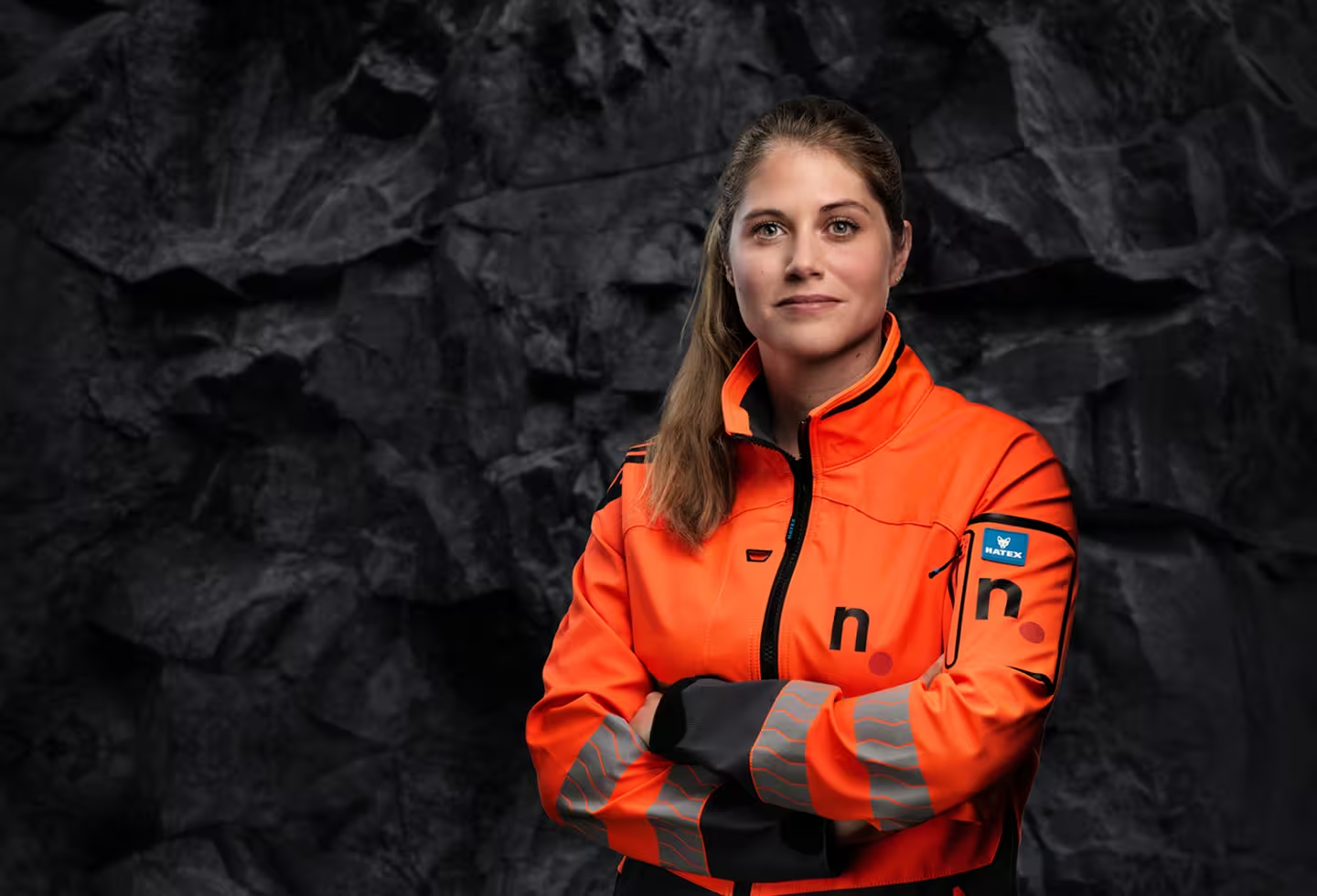
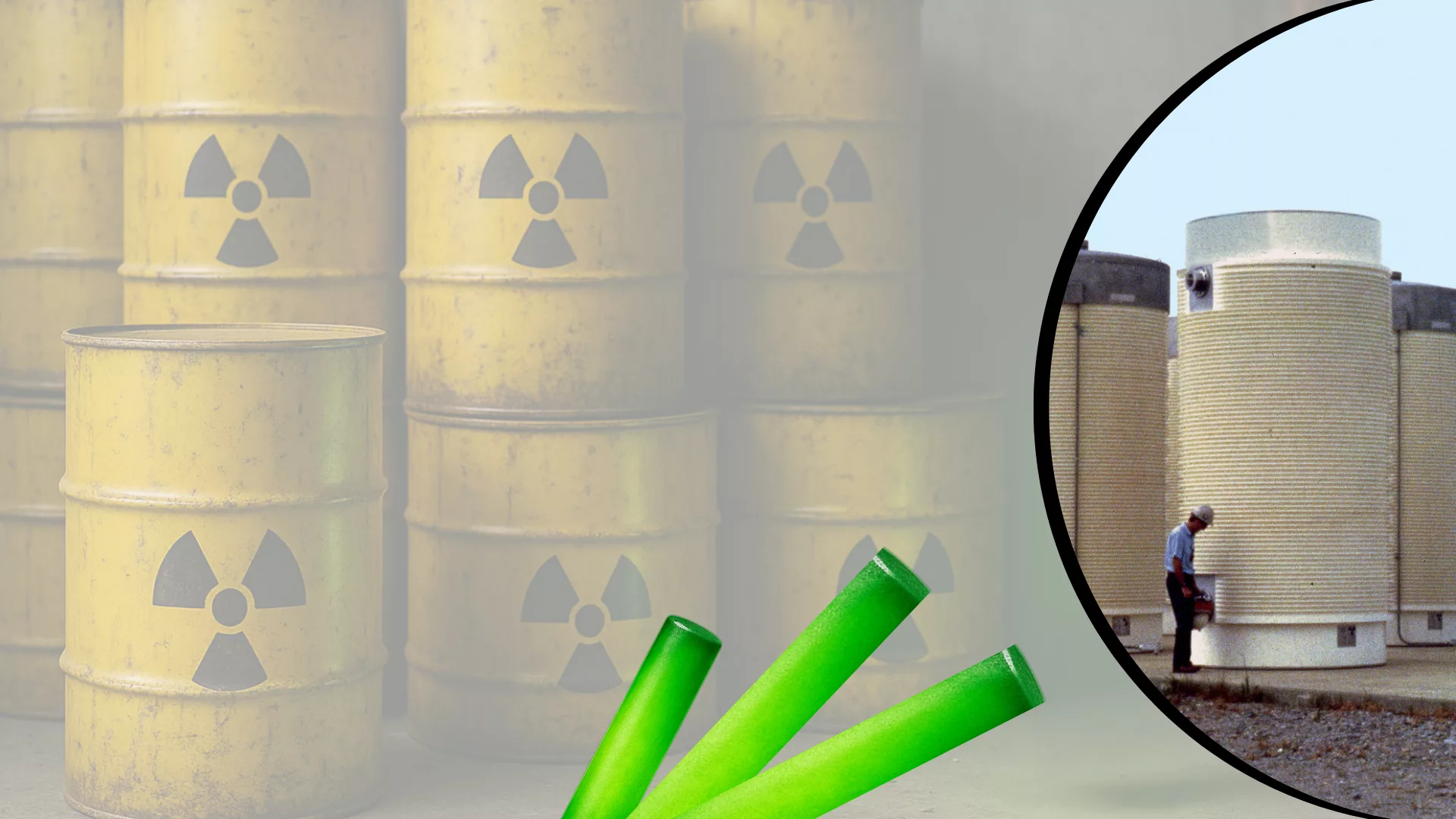
Yellow Barrels and Glowing Rods? What Our Radioactive Waste Really Looks Like
There are various types of radioactive waste. However, popular culture almost always misleads us about their properties…
.jpg)
Nagra News – June 2026
.png)
30 years of research – for the sake of hundreds of thousands of years of safety
Research on the Opalinus Clay has been carried out at the Mont Terri Rock Laboratory since 1996. The clay rock is the key to the post-closure safety of Switzerland’s deep geological repository.
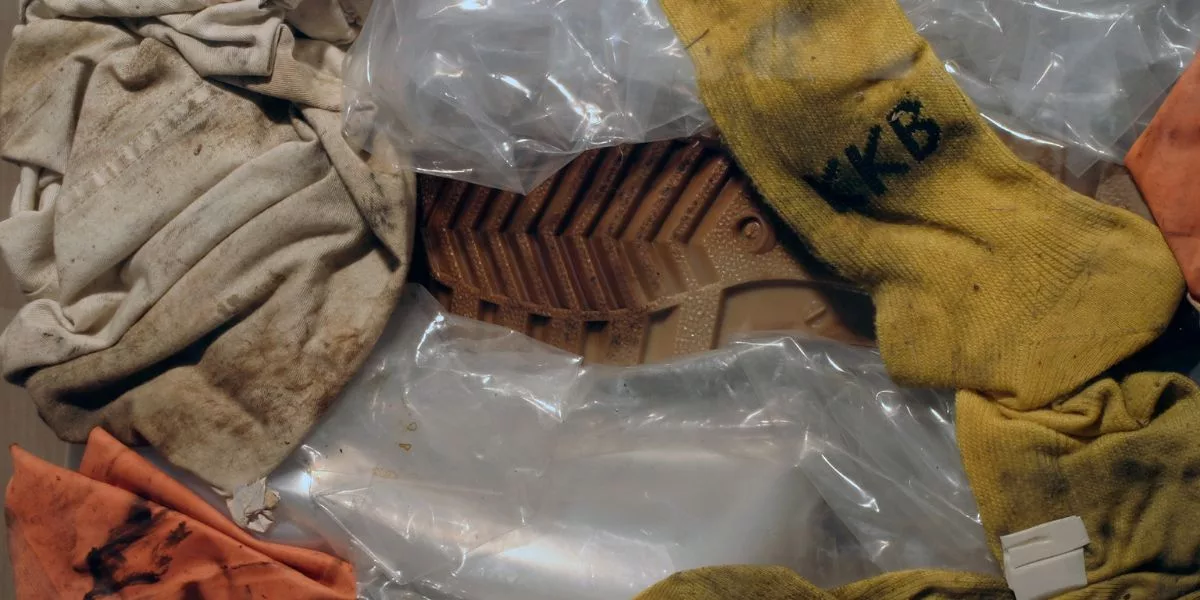
When does radioactive waste have to be emplaced in a deep geological repository and when would a landfill suffice?
A screwdriver is lying on the table in a controlled zone of a nuclear power plant. After years of use: can it simply be thrown out or will it have to be disposed of in a deep geological repository?
.png)
Self-sealing rock
It is soft and inconspicuous, and tunnel engineers view it as challenging – and yet the Opalinus Clay has been selected as the host rock in which a deep geological repository for radioactive waste is to be constructed. A first visit to the Mont Terri Rock Laboratory.
Nagra News – August 2024
The people behind the century project • Differences regarding communication in Switzerland and other countries • We are looking for reinforcement
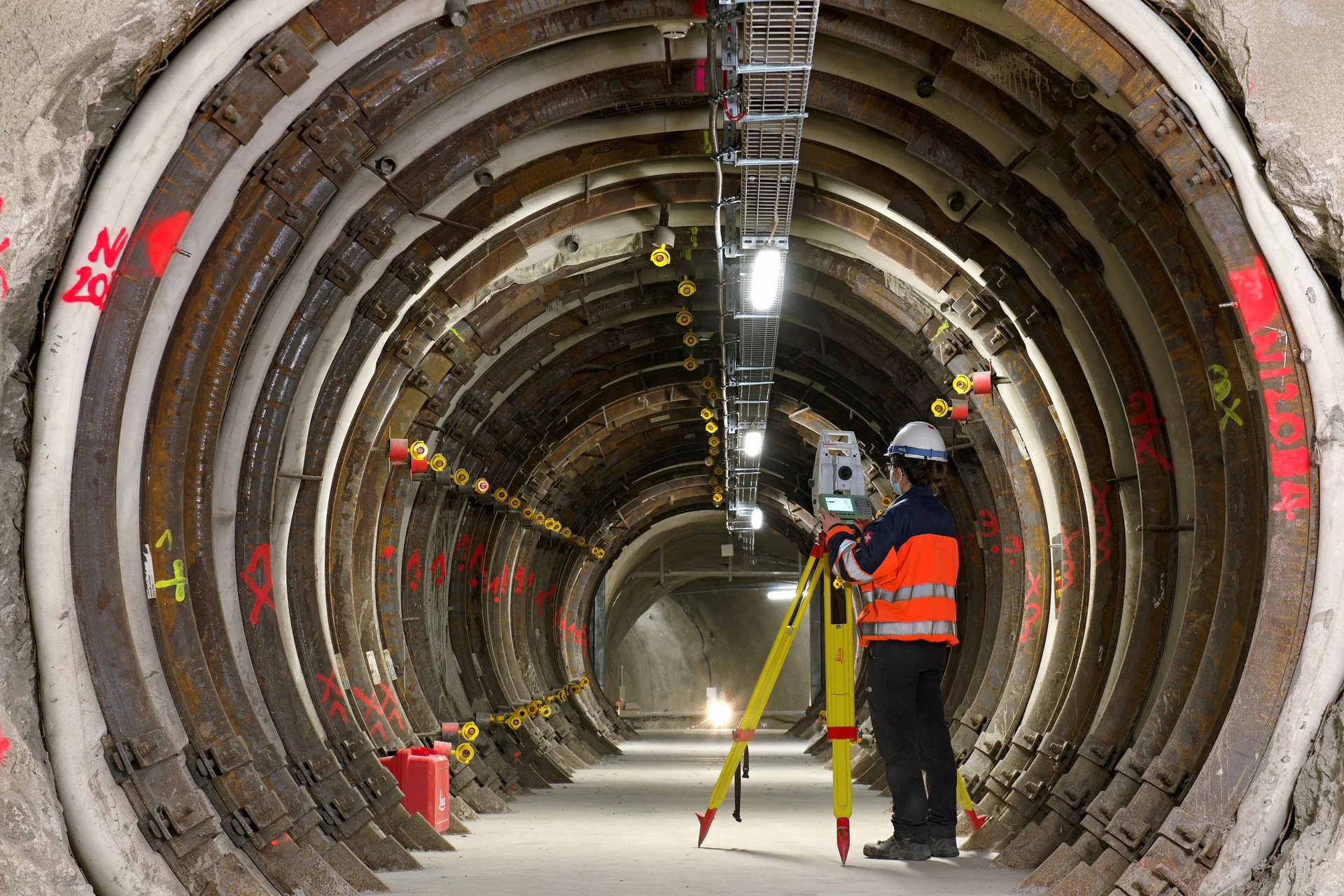
Building at great depth – a demanding task
The repository for radioactive waste is to be built at a depth of around 800 metres. However, construction at that depth is challenging.
Are earthquakes a risk for the deep geological repository?
The risk of earthquakes must be considered during construction of the final repository. Unexpected things can happen deep underground during an earthquake.

The best demonstration of safety comes from nature
Opalinus Clay encloses radioactive waste very effectively. This is shown by laboratory tests and experiments in the claystone. However, the strongest evidence is of natural origin.
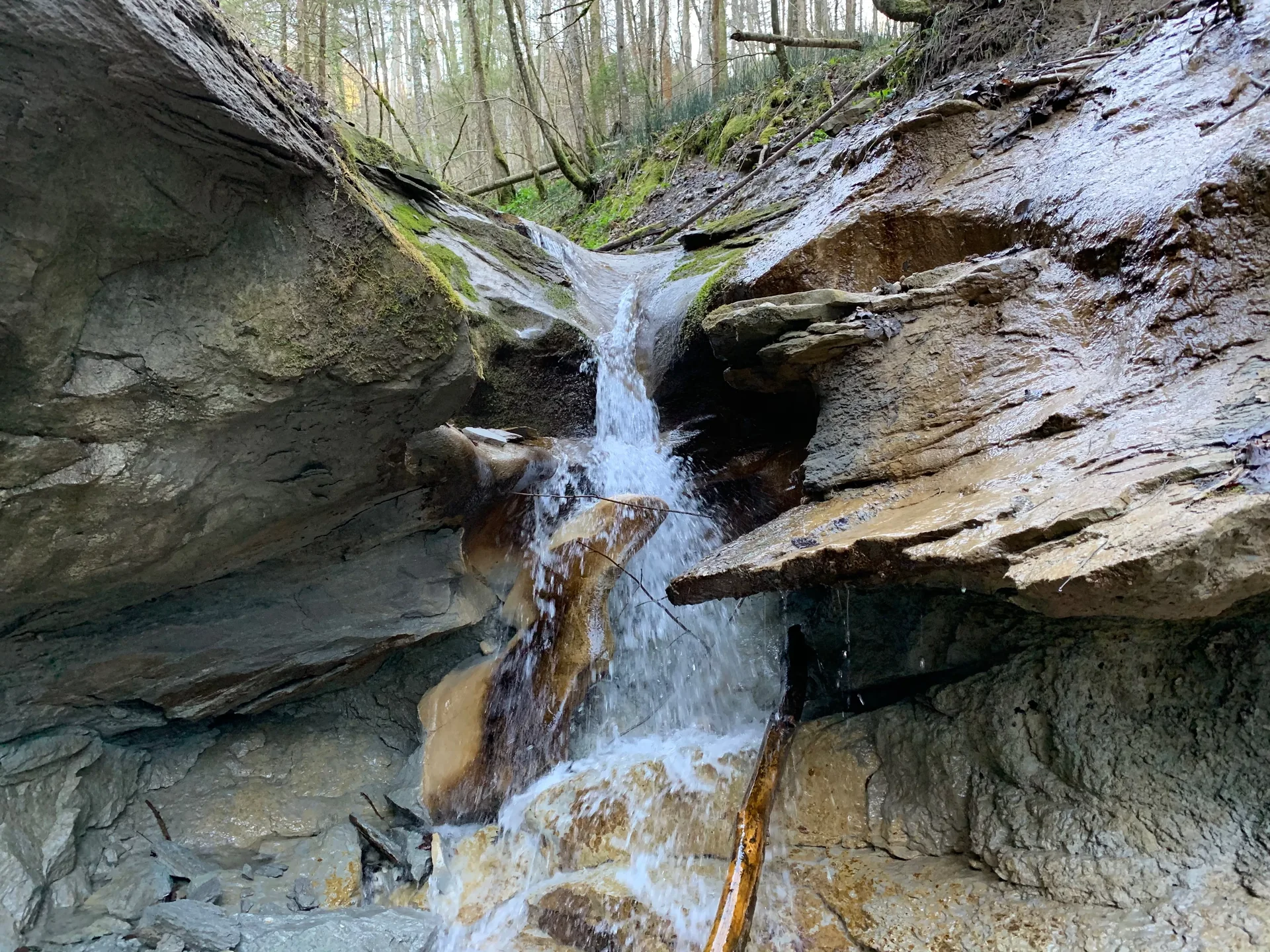
The Teeth of Time: Do They Also Affect the Repository?
The deep geological repository for radioactive waste must be protected against erosion. To ensure that future ice age glaciers and rivers do not come too close to the repository, Nagra has conducted extensive research.

In 100 years the repository will be closed – or perhaps even earlier?
If everything proceeds according to plan, the deep geological repository will be closed in the year 2125. However, depending on global circumstances, this could happen sooner.
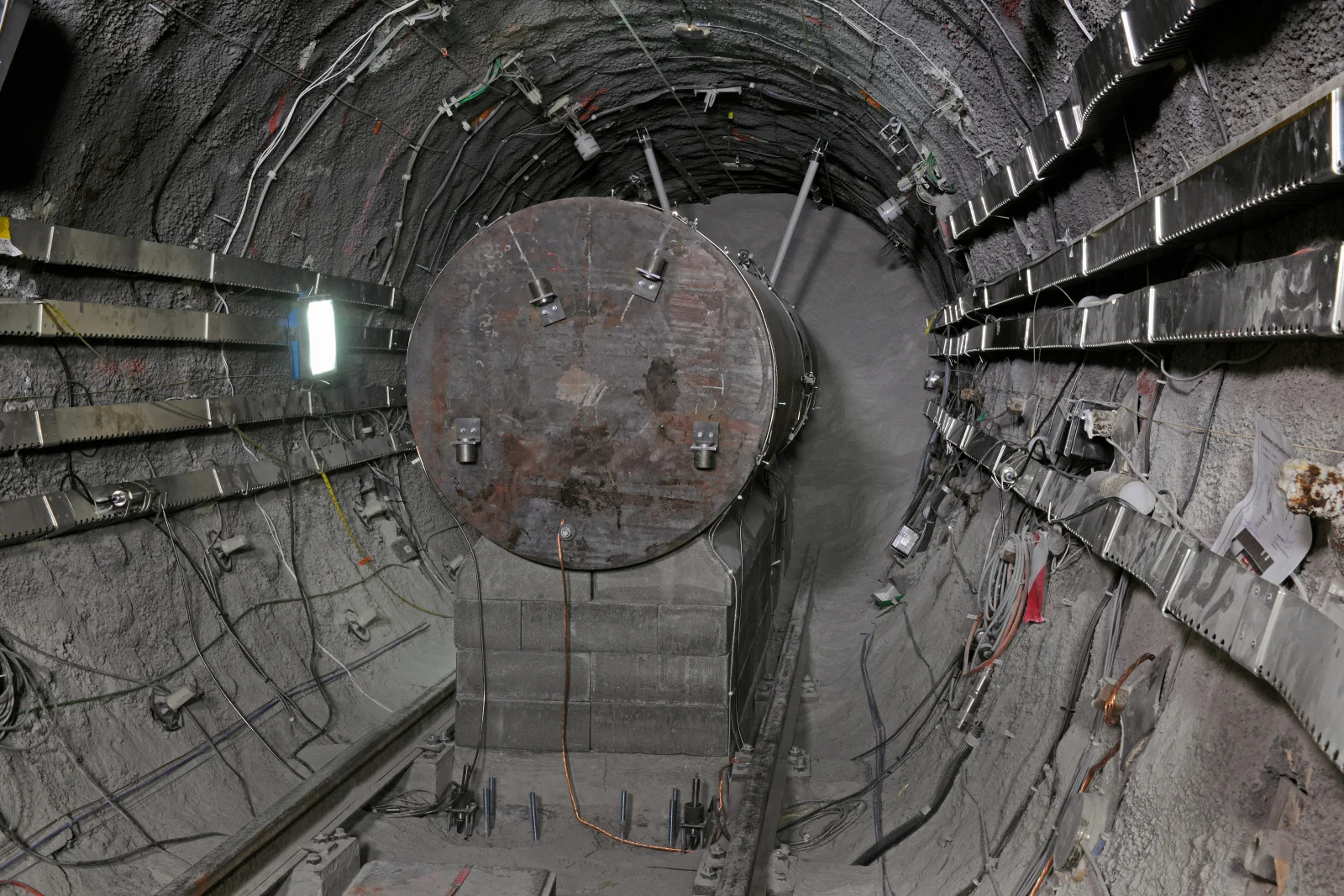
Borrowing and simulating – or how Nagra creates knowledge
How on earth can one know what the radioactive waste repository will look like in thousands of years? To answer this question as accurately as possible, Nagra conducts experiments. And it takes inspiration from nature.