When does radioactive waste have to be emplaced in a deep geological repository and when would a landfill suffice?
A screwdriver is lying on the table in a controlled zone of a nuclear power plant. After years of use: can it simply be thrown out or will it have to be disposed of in a deep geological repository?
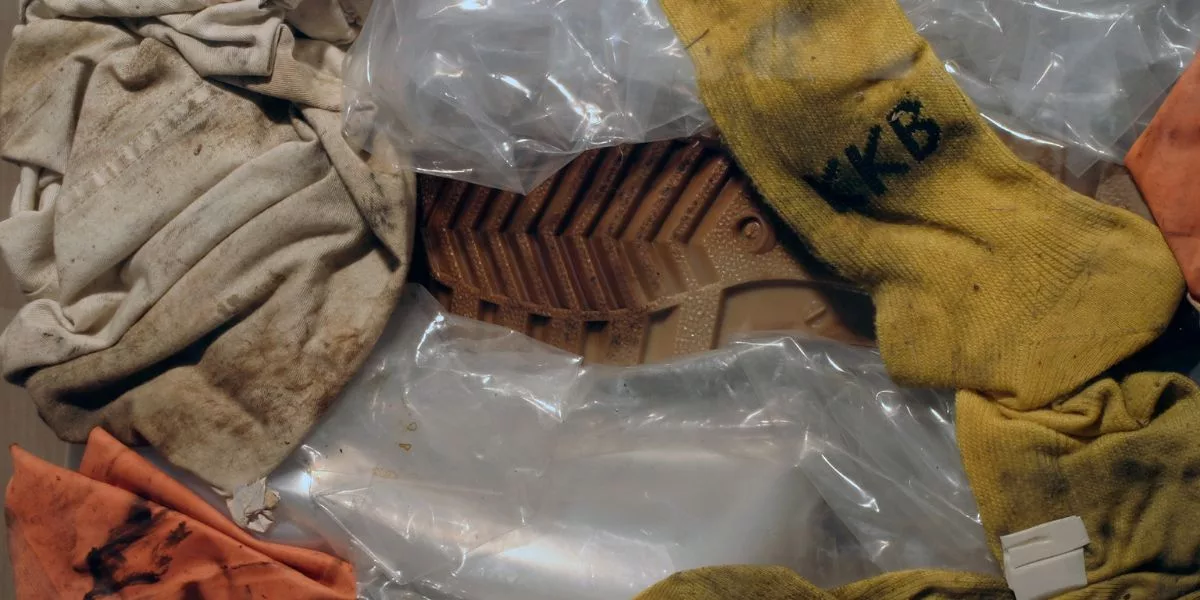
A screwdriver is lying on the table in acontrolled zone of a nuclear power plant. It looks like any ordinaryscrewdriver. But it was used in a nuclear facility for years. Can it simply be thrownout? As scrap metal perhaps? Or could it go into a landfill? Or will it have tobe disposed of in a repository?
The answer does not depend on thescrewdriver’s appearance, but on a measurement.
Whatis measured – and why?
Materials used in nuclear facilities canbecome radioactive in two ways: through contamination – when radioactiveparticles adhere to their surface, for example in pipes that have transportedradioactively contaminated water for years – or through activation, when thematerial itself has become radioactive as a result of neutron bombardment. Thelatter mainly affects metal parts in the immediate vicinity of the reactorcore, for example mounting brackets or control elements and pipes.
Everything that leaves the controlled zoneof a nuclear power plant has to measured, even the workers. This is to ensurethat no radiation source leaves the building unnoticed. Every radiationactivity is recorded. Radioactive waste varies in radiation type and activitylevel. Swiss legislation takes this into account when determining how thematerial is to be managed.
Whatis a clearance measurement?
If the measured load is below the legalexemption limit, a material is considered to be “cleared”. But not everycontaminated material is automatically classified as waste. First, the load canoften be reduced: surfaces can be cleaned or abraded – for example those ofmetal parts where radioactive particles only adhere to the surface. Measurementsare then taken again after treatment. If the material then falls below theexemption limit, it can be cleared.
For example, protective suits or glovesthat were worn in areas with low levels of contamination can be disposed of asregular hazardous waste after measurement; they do not have to be disposed ofin a repository. The same applies to large quantities of construction anddemolition debris from the dismantling of a nuclear power plant: walls, floorsand concrete blocks are systematically measured. What falls below the exemptionlimit – whether from the outset or after decontamination – goes to a conventionallandfill or can be fed into the normal recycling loop. There is no bargainingor compromise. The only deciding factor is the result of a measurement.Anything that exceeds the dose limit even after decontamination is classifiedaccording to activity and has to be stored and disposed of accordingly.
Whodecides – and how?
Nagra does not define the dose limits.They are anchored in radiation protection legislation and are monitored by ENSI– the Swiss Federal Nuclear Safety Inspectorate. Every step is documented. Thegoal is complete transparency: from measurement to classification and finallyto disposal.
The deep geological repository has notbeen constructed yet. Until it goes into operation a few decades from now, thewaste will be held in the interim storage facility. This is a provisional butnot permanently safe solution. Interim storage is thus a transitional phase,i.e. an important step on the way to solving the issue of deep geologicaldisposal.
Do you have any questions aboutclassification or disposal of radioactive waste? Please contact us.
You may also be interested in
We believe in transparency. Here you can find the latest updates and information about this landmark project.
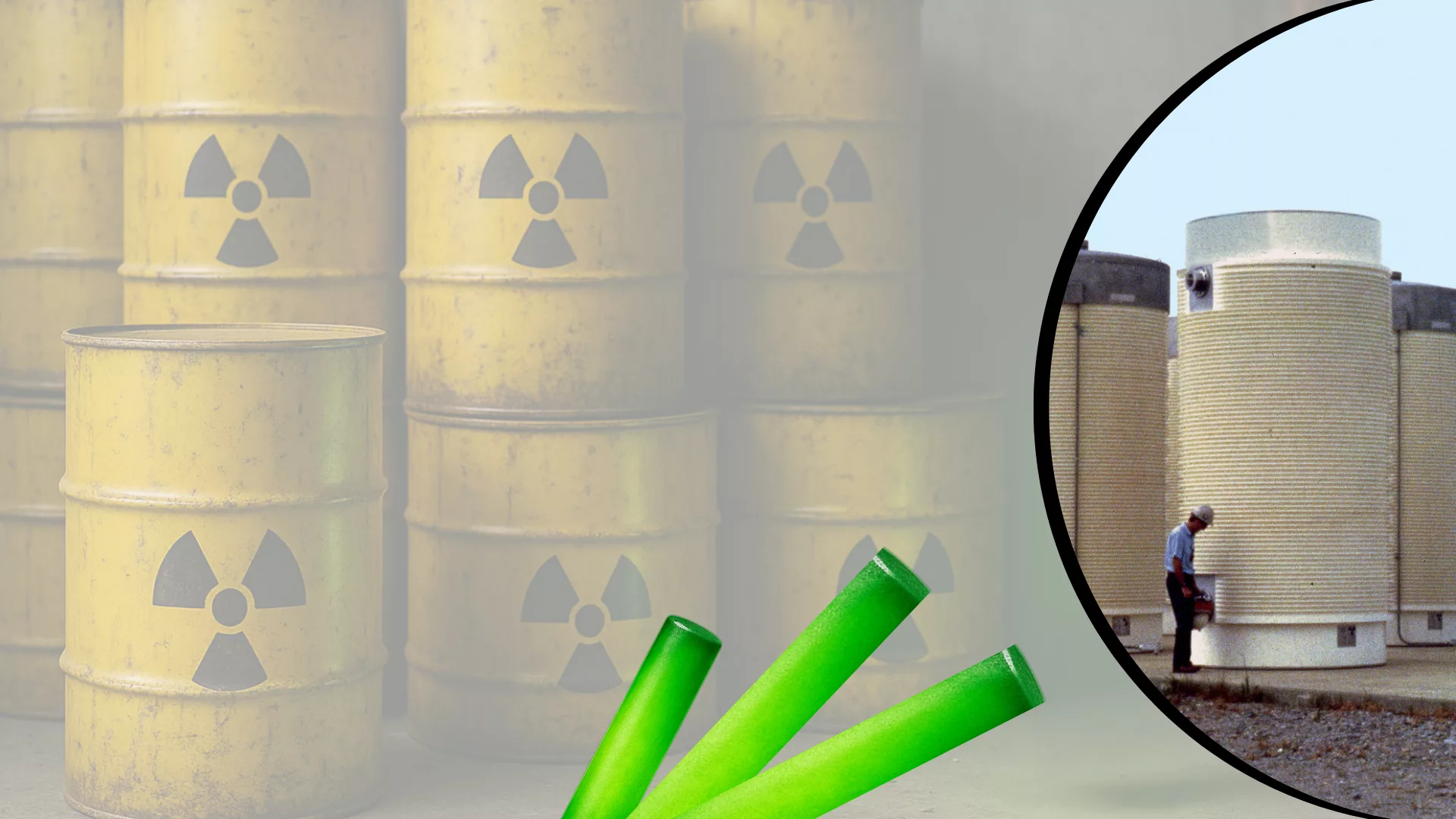
Yellow Barrels and Glowing Rods? What Our Radioactive Waste Really Looks Like
There are various types of radioactive waste. However, popular culture almost always misleads us about their properties…
.jpg)