About us
We are the National Cooperative for the Disposal of Radioactive Waste (Nagra) with headquarters in Wettingen, Switzerland. We employ specialists from the natural sciences and engineering. Our team also includes employees responsible for communication, administrative and organisational tasks. Around 130 people are involved in our project of the century: for a safe future for Switzerland.
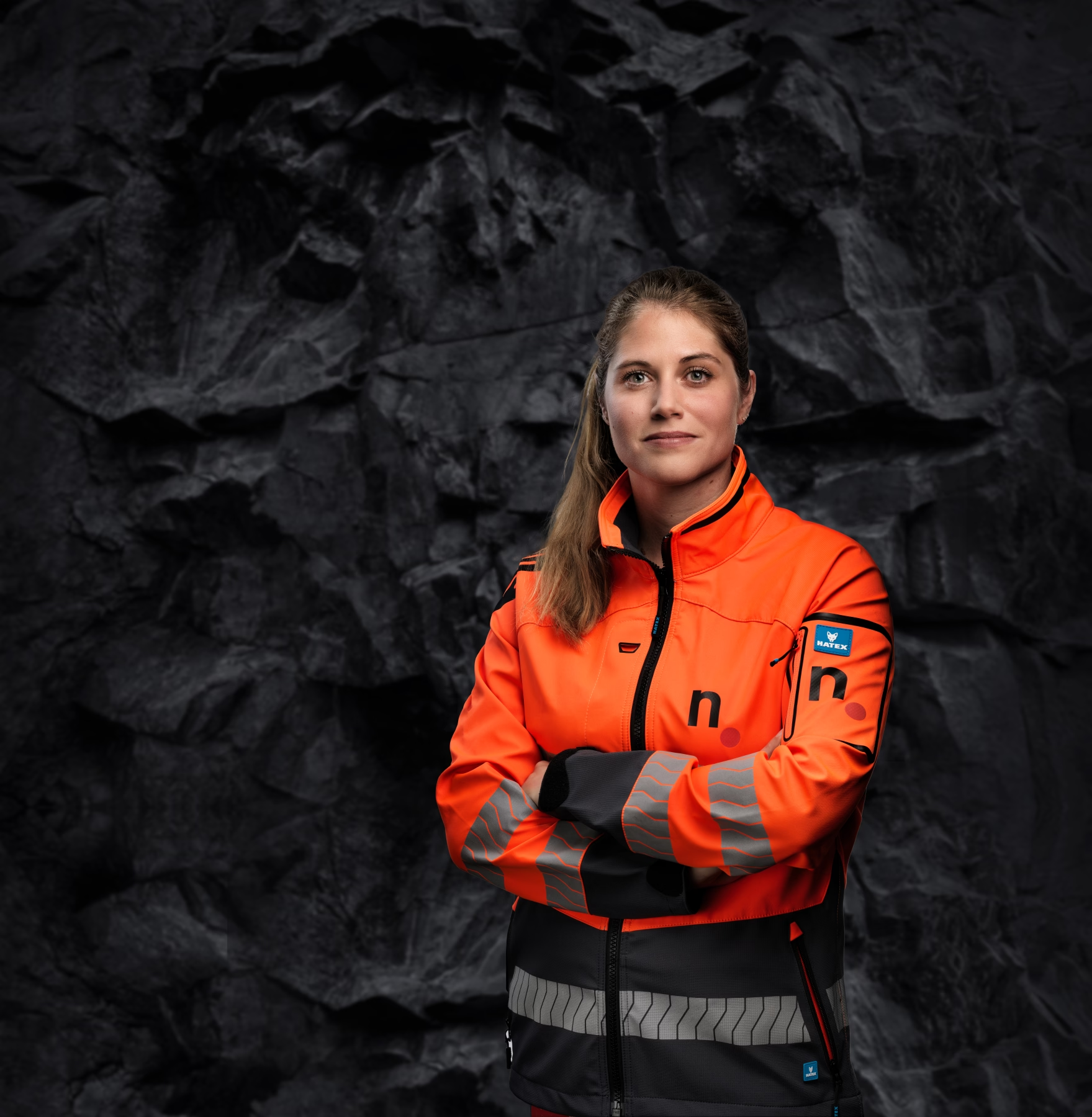
Our mission
Radioactive waste mainly arises from the generation of electricity in nuclear power plants, but also through applications in medicine, industry and research. Disposing of Switzerland’s radioactive waste once and for all to avoid burdening future generations with this responsibility: that is Nagra’s mission.
Our mandate
Responsibility for Switzerland’s radioactive waste lies with the so-called waste producers: the operators of the nuclear power plants and the federal government. The federal government is responsible for radioactive waste arising from applications in medicine, industry and research. The waste producers have tasked Nagra with disposing of the waste in a deep geological repository for a safe, long-term solution.
Mission statement
The goals and principles of our work are summarised in our mission statement.
Who pays?
The operators of the nuclear power plants and the federal government finance the ongoing costs, including those of Nagra, in accordance with the polluter-pays principle. To cover costs after the decommissioning of the nuclear power plants, its operators make annual contributions to the Decommissioning and Waste Disposal Funds (STENFO), which are under federal supervision. The costs of radioactive waste disposal must be recalculated every five years to determine how much the operators must contribute to the funds.
The current and future disposal costs for waste arising from the nuclear power plants is already included in the price of electricity. For each kilowatt hour of nuclear power, the consumer pays around 1 rappen (cent) towards waste disposal, i.e. the decommissioning and dismantling of the nuclear power plants, waste transport, interim storage and deep geological disposal, including the necessary research work. The federal government is responsible for collecting waste arising from applications in medicine, industry and research. The producers of these types of radioactive waste also have to pay a disposal fee.
Visit Nagra
How and where does Nagra carry out research on the disposal of radioactive waste? We would be pleased to show you. Visit us at the Nagra meeting point in Stadel, the drill core archive in Mellingen, the Mont Terri Underground Research Laboratory or the Grimsel Test Site.
Guided tours of the Mont Terri Rock Laboratory
As the primary research partner, we will gladly guide you through the Mont Terri Rock Laboratory, which is operated by swisstopo, the Swiss Federal Office of Topography. Here, research is being conducted directly in the Opalinus Clay. This is the rock that will eventually host the deep geological repository.
.jpg)
Open day at the Grimsel Test Site on 13thJune 2026
Open day programme and travel options Morning and afternoon tours on 13th June2026: Free bus in the morning: 8:00 am departurefrom Meiringen railway station, 8:15 am from Grimseltor Innertkirchen; arrivalat the large car park in Guttannen at 8:45 am. For the morning tour: arrival at the largepublic car park in Guttannen by car or public bus by 8:45 am at the latest. Guided tour of the Grimsel Test Site from9:00 am to 11:45 am.
——————————————————————————————————————–
13th June 2026, afternoon programme: Free bus in the afternoon: 12:30 pmdeparture from Meiringen railway station, 12:45 pm from GrimseltorInnertkirchen; arrival at the large car park in Guttannen at 1:15 pm. For the afternoon tour: arrival at thelarge public car park in Guttannen by car or public bus by 1:15 pm at thelatest. Guided tour of the Grimsel Test Site from1.30 pm to 4.15 pm. Register for the open day
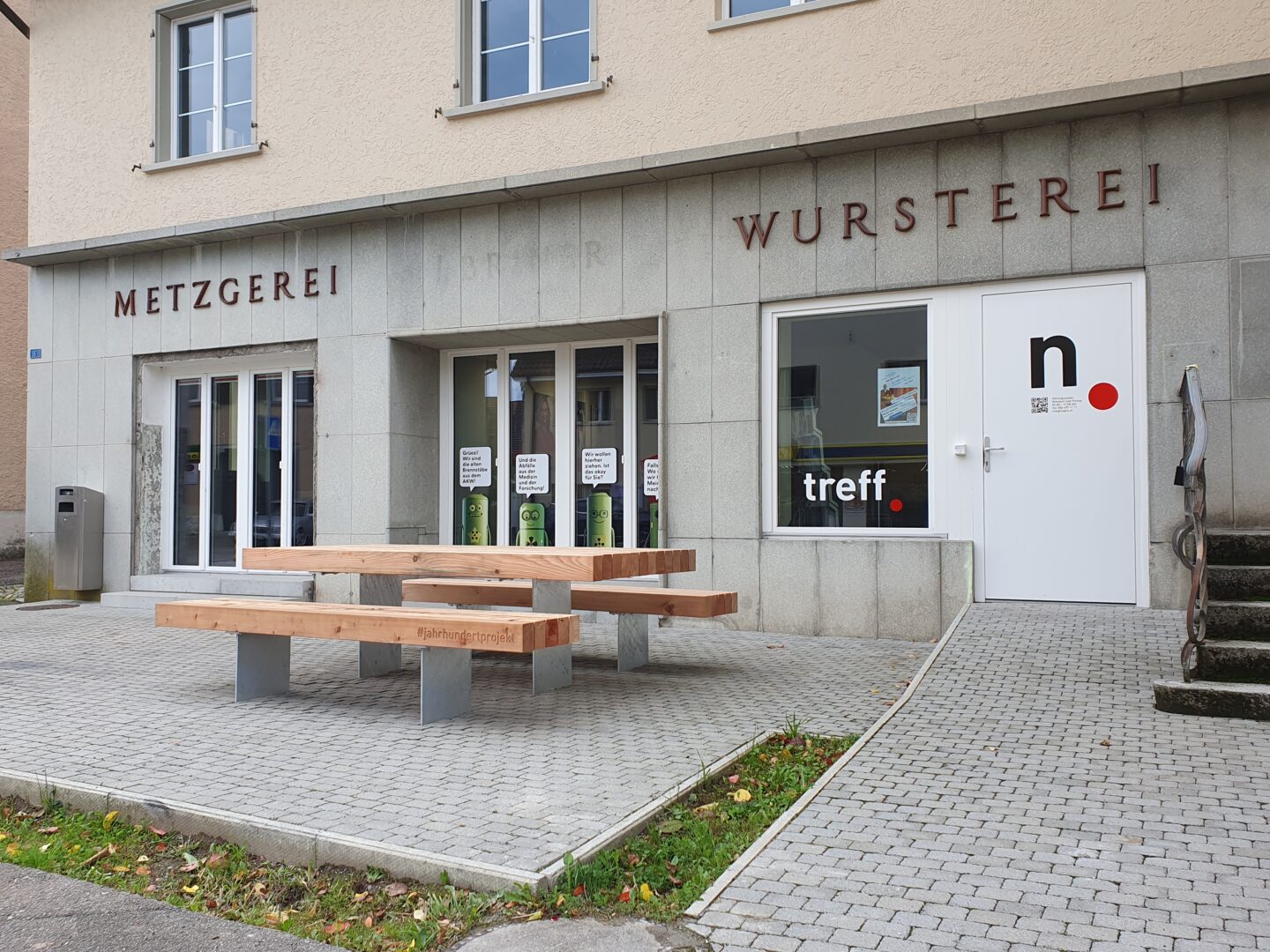
Nagra meeting point
Nagra operates a meeting point in Stadel. Drop in and talk to us about the project of the century of deep geological disposal. We are open on Wednesdays and Fridays from 9 a.m. to 5 p.m. and look forward to your visit!
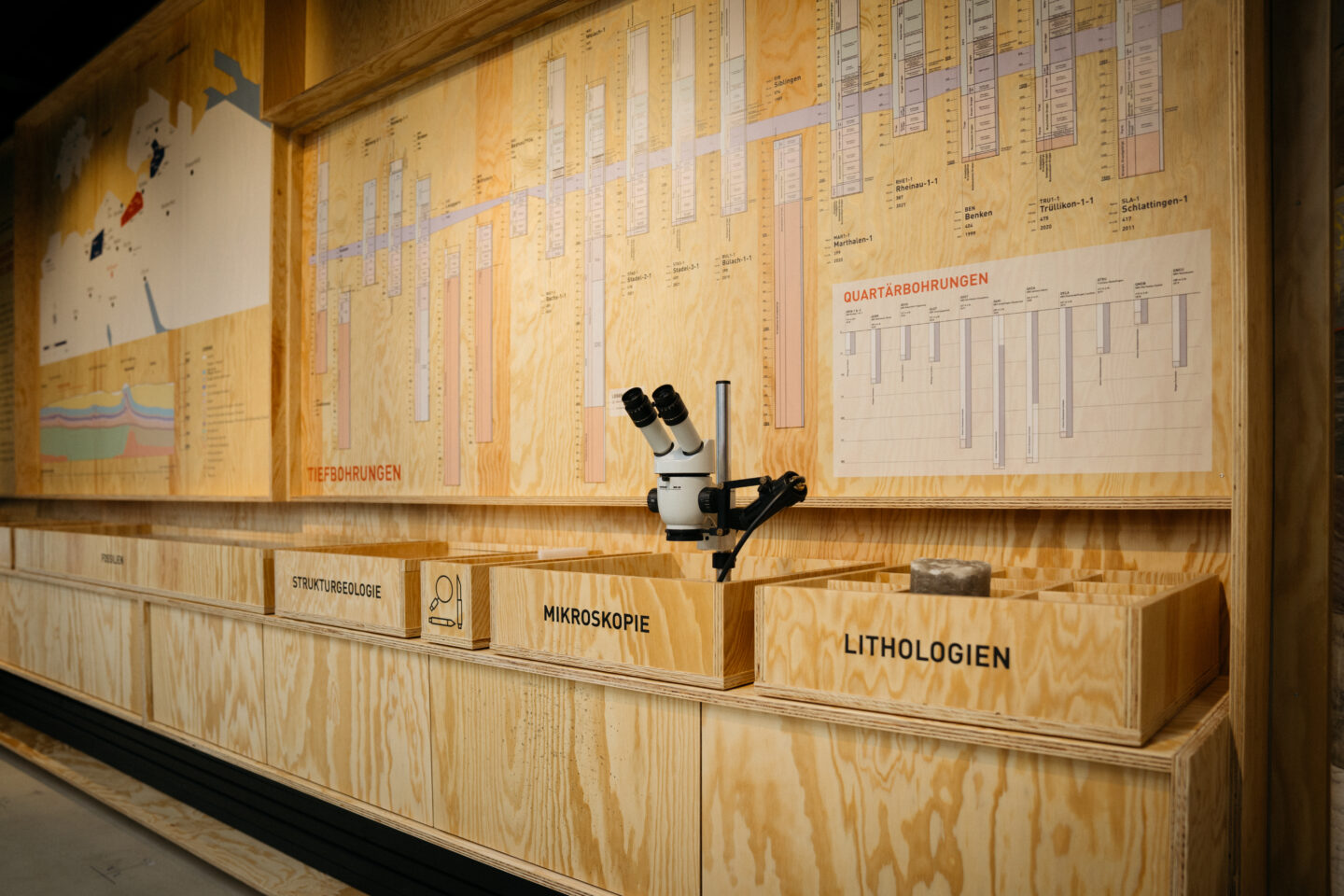
Drill core archive in Mellingen
Discover our drill core archive in Mellingen, Canton Aargau. Thousands of drill cores from Northern Switzerland are stored here – documenting our geological memory for the planned deep geological repository.
Key dates in Nagra’s history
The safe disposal of radioactive waste is a cross-generational project.
Nagra founded
The producers of radioactive waste are also responsible for its disposal. This is stipulated in the Swiss Nuclear Energy Act. On 4th December 1972, the radioactive waste producers get together to found Nagra: the National Cooperative for the Disposal of Radioactive Waste. In 1977, Nagra sets up its own head office in Baden, and physicist Hans Issler is elected CEO.
Nidwalden rejects the Wellenberg repository project
In 1993, Nagra proposes Wellenberg (Canton Nidwalden) as a site for a low- and intermediate-level waste repository. In 1995, the Wellenberg project is rejected due to a cantonal referendum in which 52 percent of the voters vote against it. This is a setback.
New attempt
Politicians start over again, this time clearly regulating the search for suitable sites with the Sectoral Plan for Deep Geological Repositories (SGT). Stage 1 of the Sectoral Plan starts in 2008. In Stages 2 and 3, suitable siting regions are narrowed down following in-depth investigations. Of the six siting regions remaining after Stage 2, three make it to Stage 3: Jura Ost, Nördlich Lägern and Zürich Nordost.
Nagra’s siting proposal
Nagra proposes Nördlich Lägern in the Zürcher Unterland (the northern part of Canton Zürich) as the site for Switzerland’s deep geological repository. The encapsulation plants are to be constructed at the Zwilag interim storage facility in Würenlingen. The general licence applications are submitted to the federal government in September 2024 and published in 2025.
Decision on Terradura
General licence granted? This fundamental decision will determine whether Switzerland intends to dispose of its radioactive waste in a deep geological repository at the Stadel site in the Zürcher Unterland region.
Discover Terradura
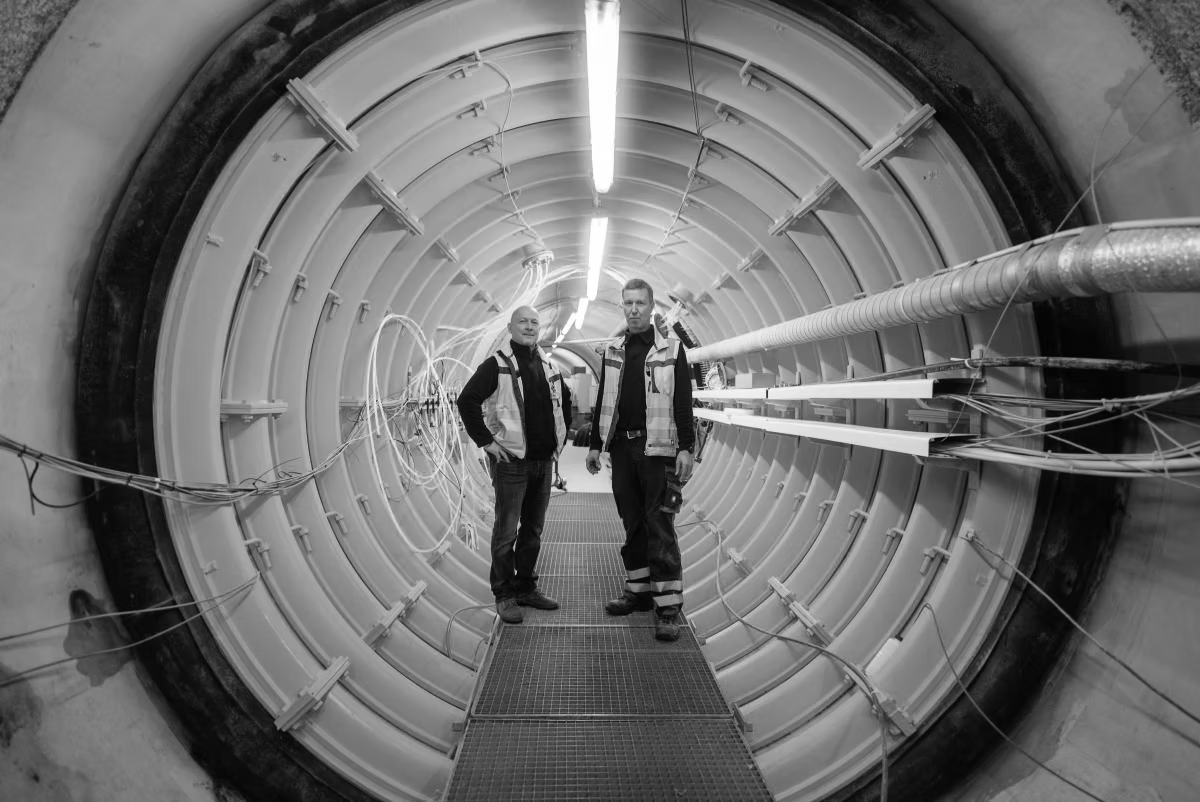
Members of our Cooperative
The members of our Cooperative are the operators of the nuclear power plants, the Zwilag Würenlingen AG, which runs the interim storage facility, and the federal government (Swiss Confederation), which is responsible for radioactive waste arising from applications in medicine, industry and research.






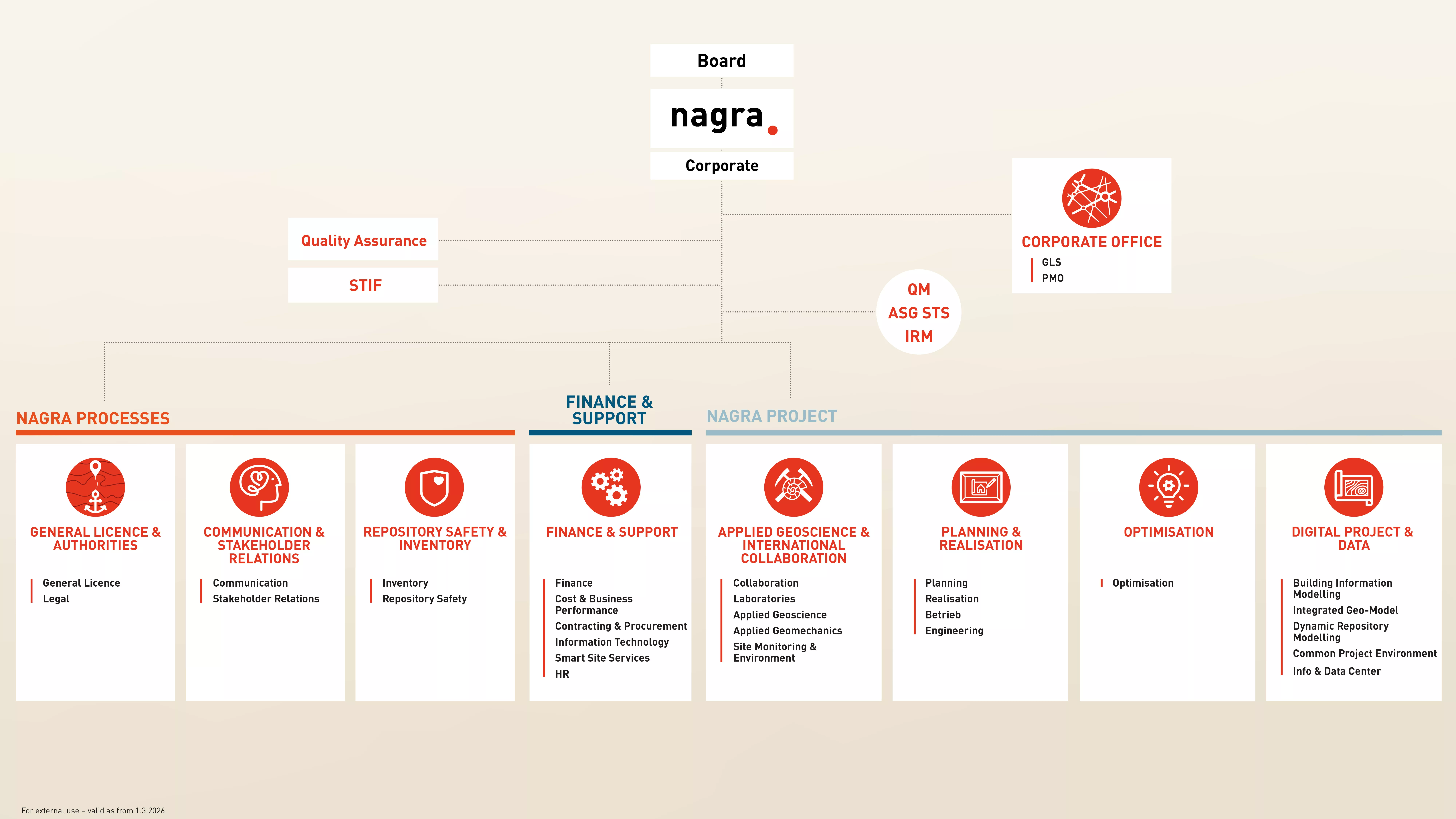
Our Executive Board
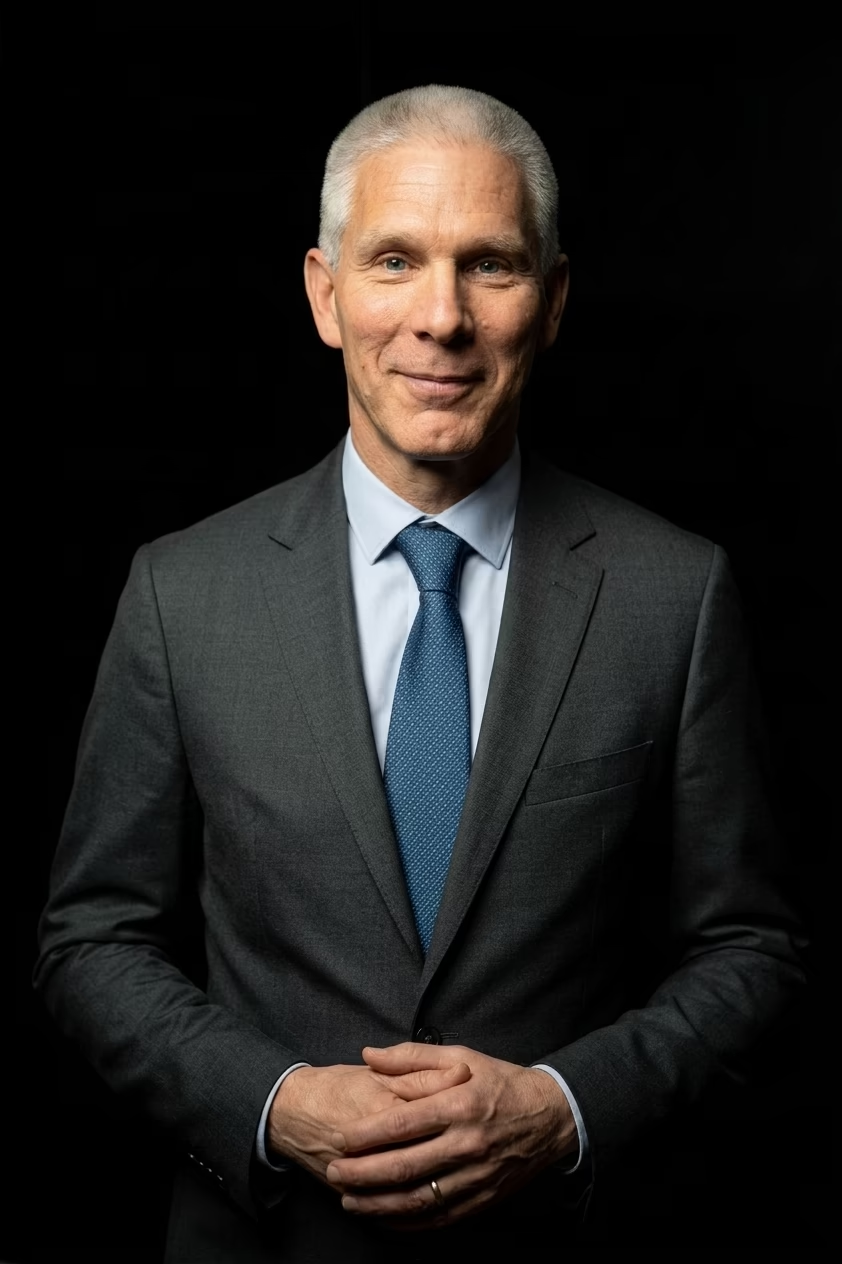
Matthias Braun
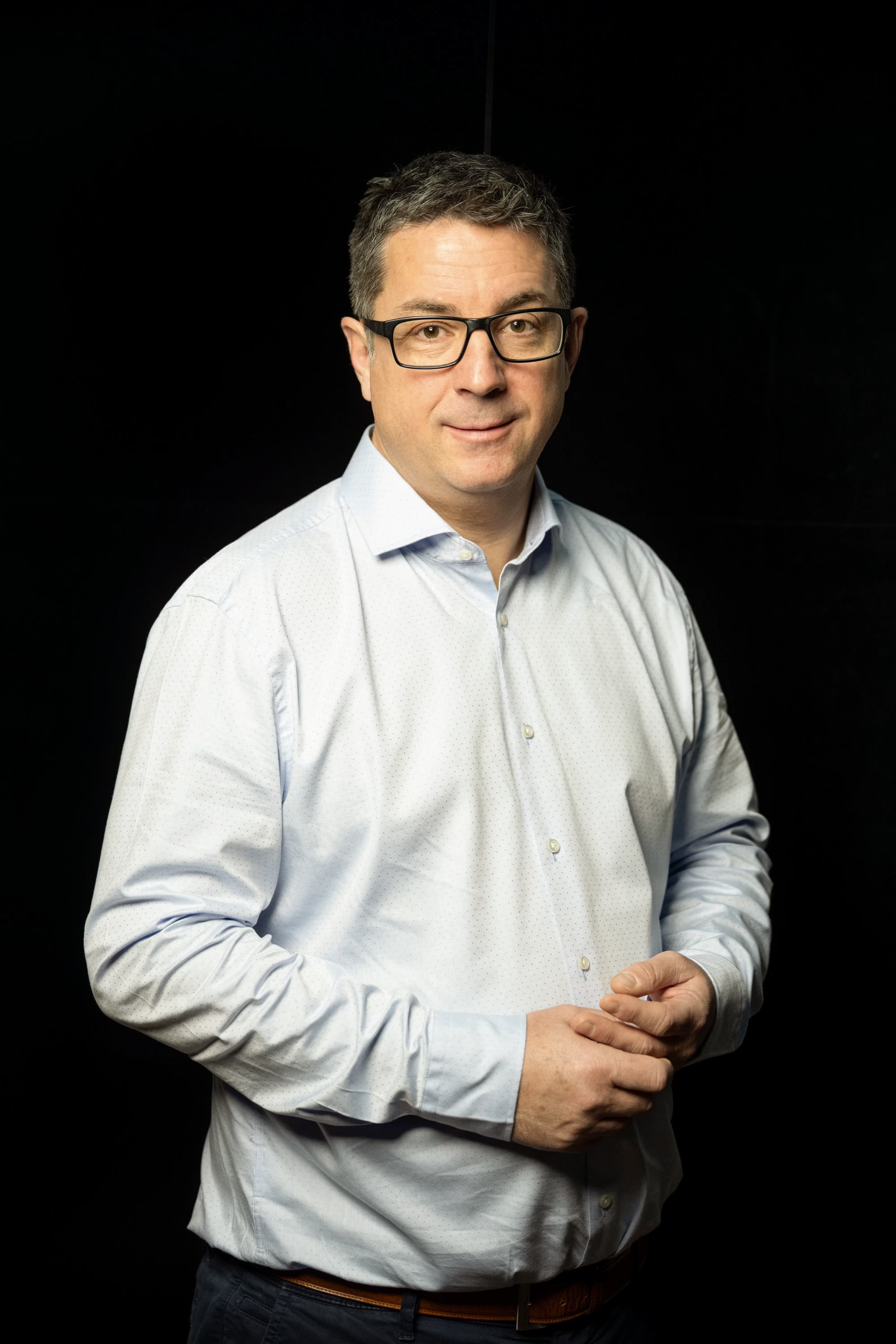
Maurus Alig
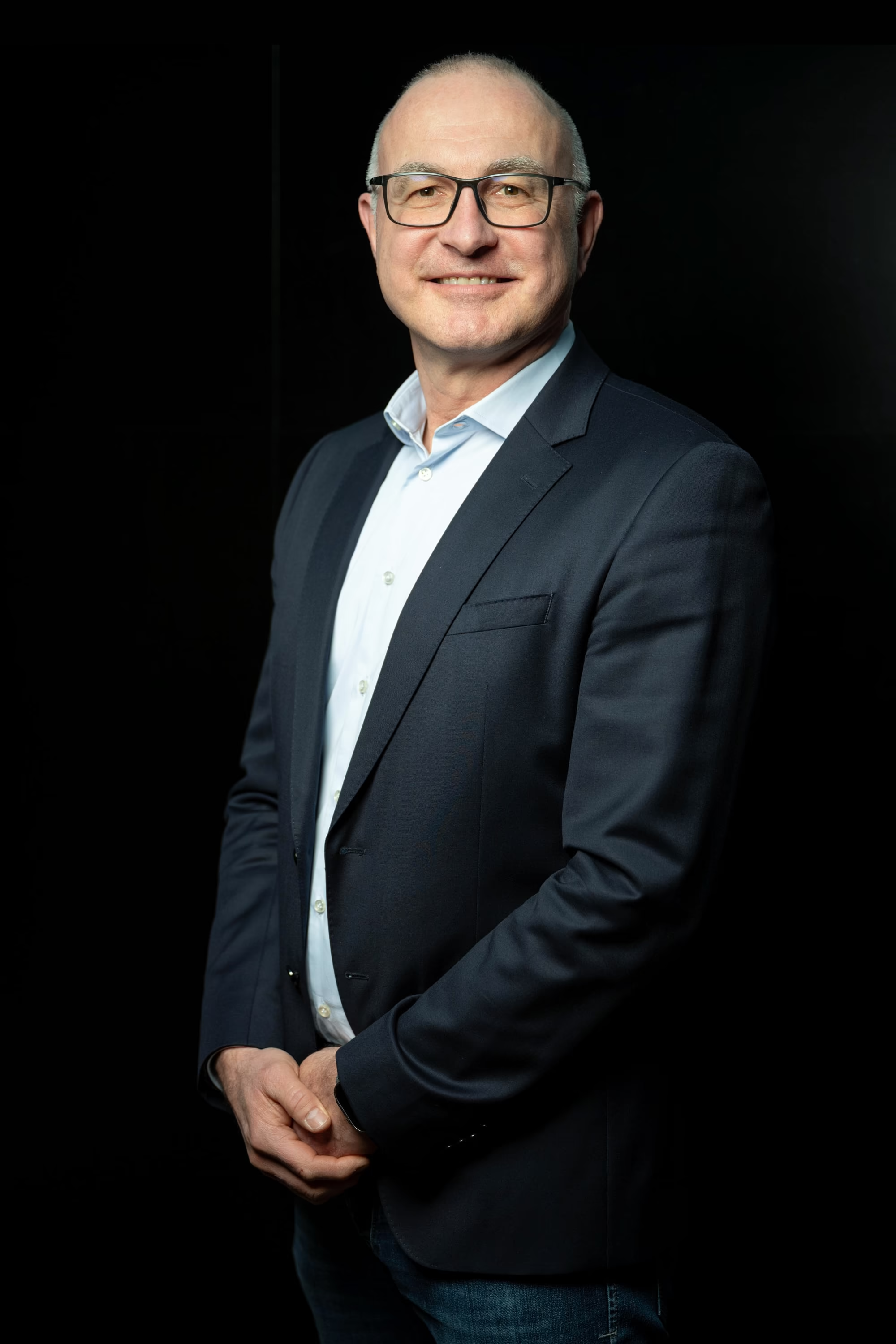
Jan Konstanty
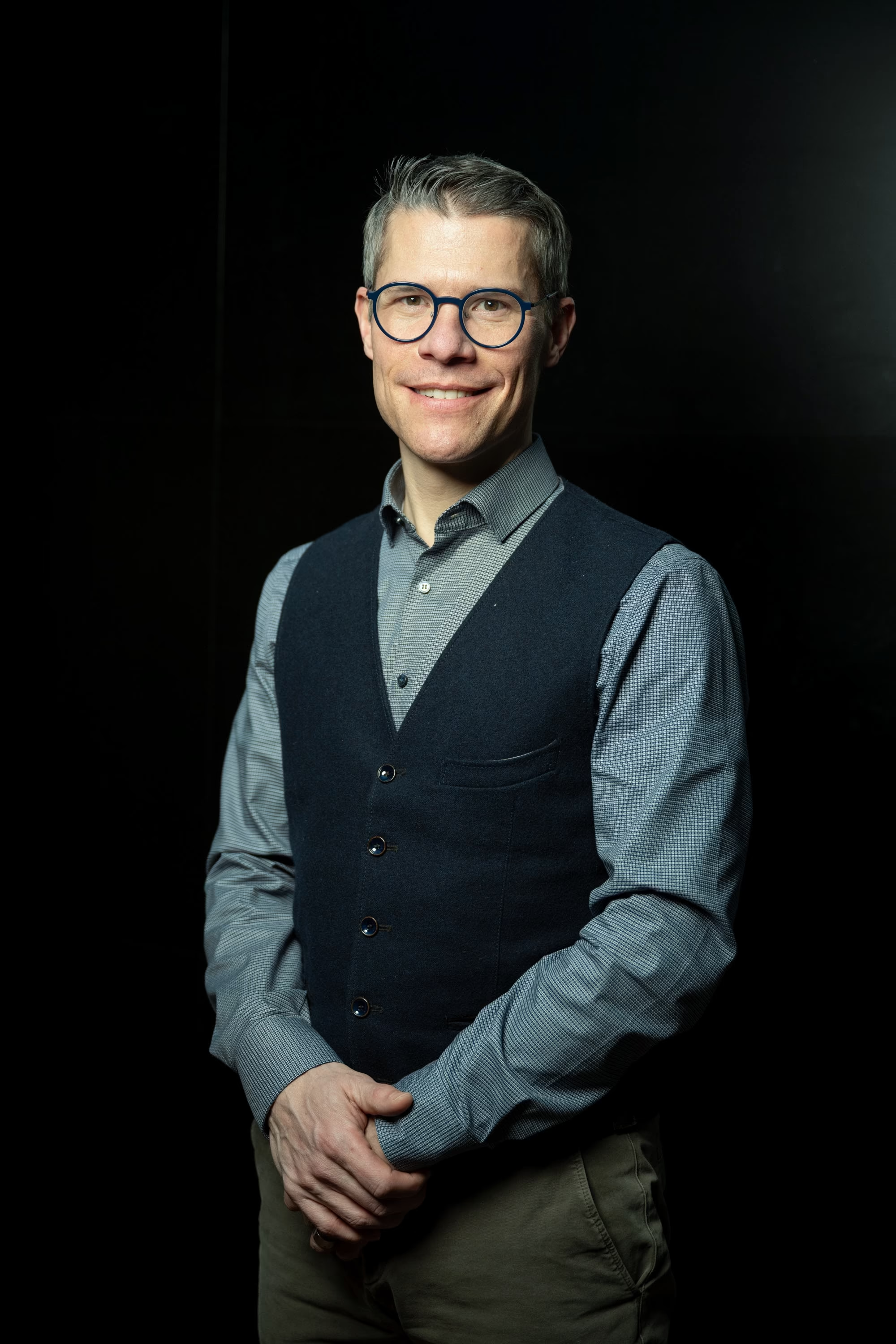
Philipp Senn
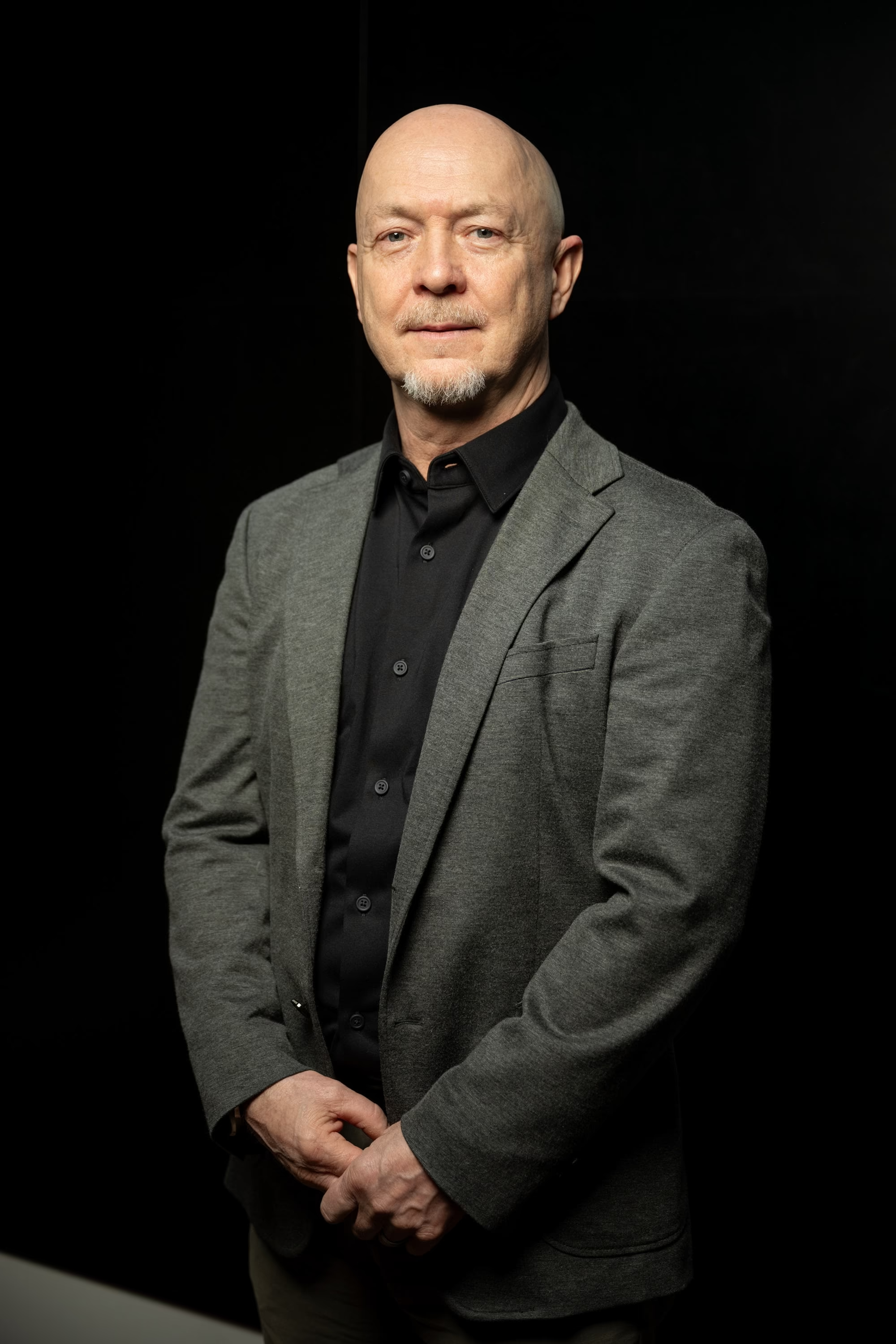
Ingo Blechschmidt
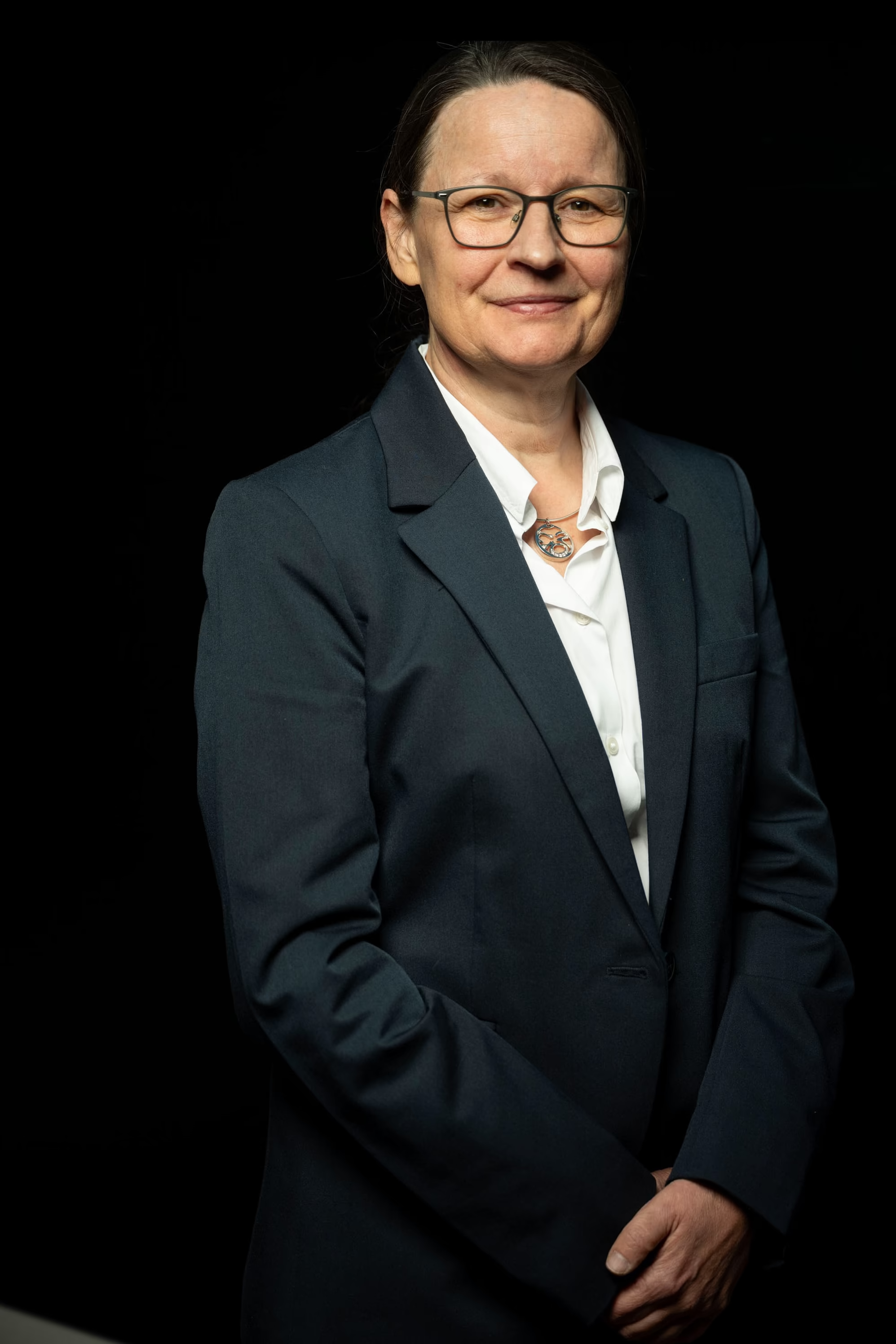
Irina Gaus
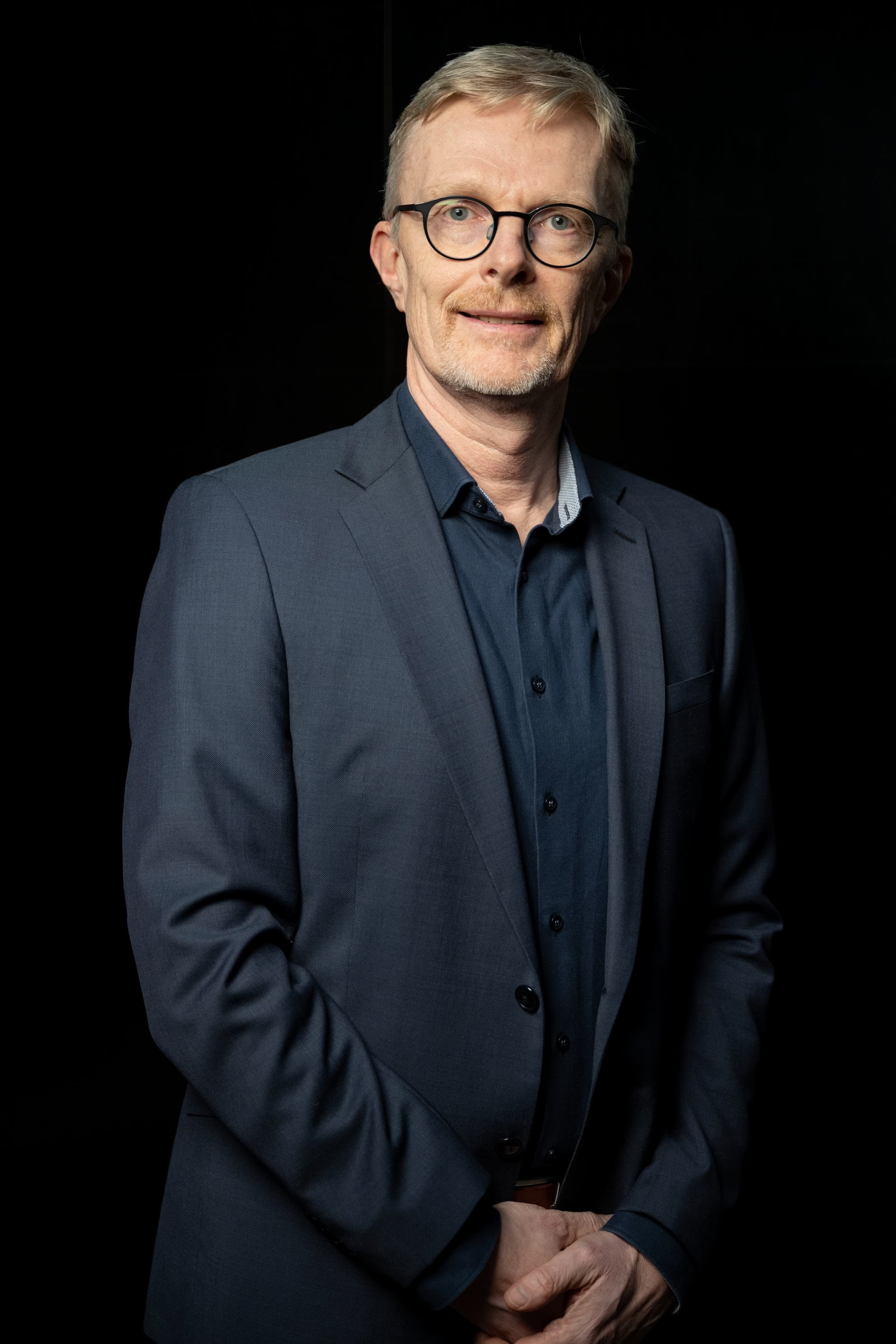
Tim Vietor
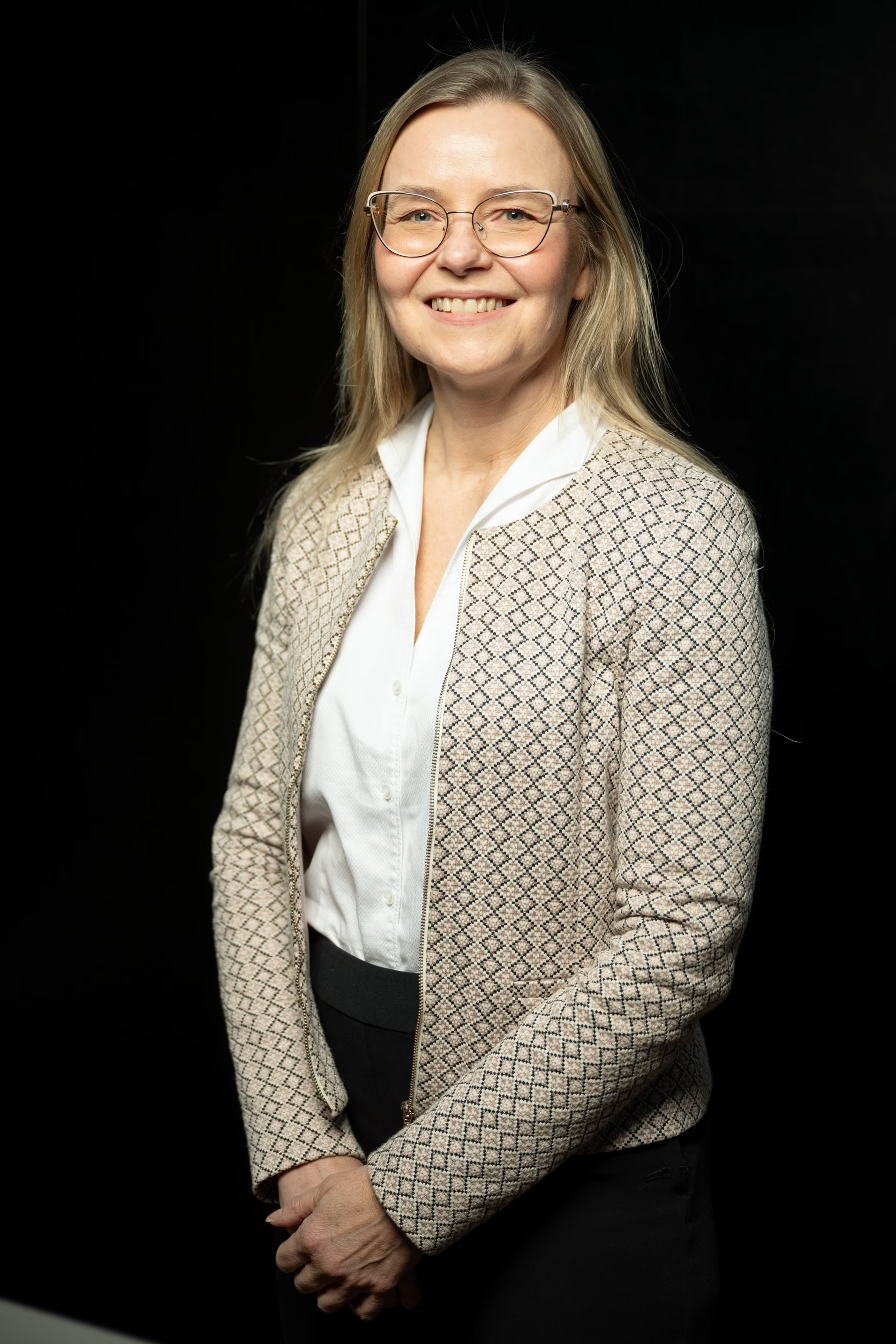
Tiina Jalonen
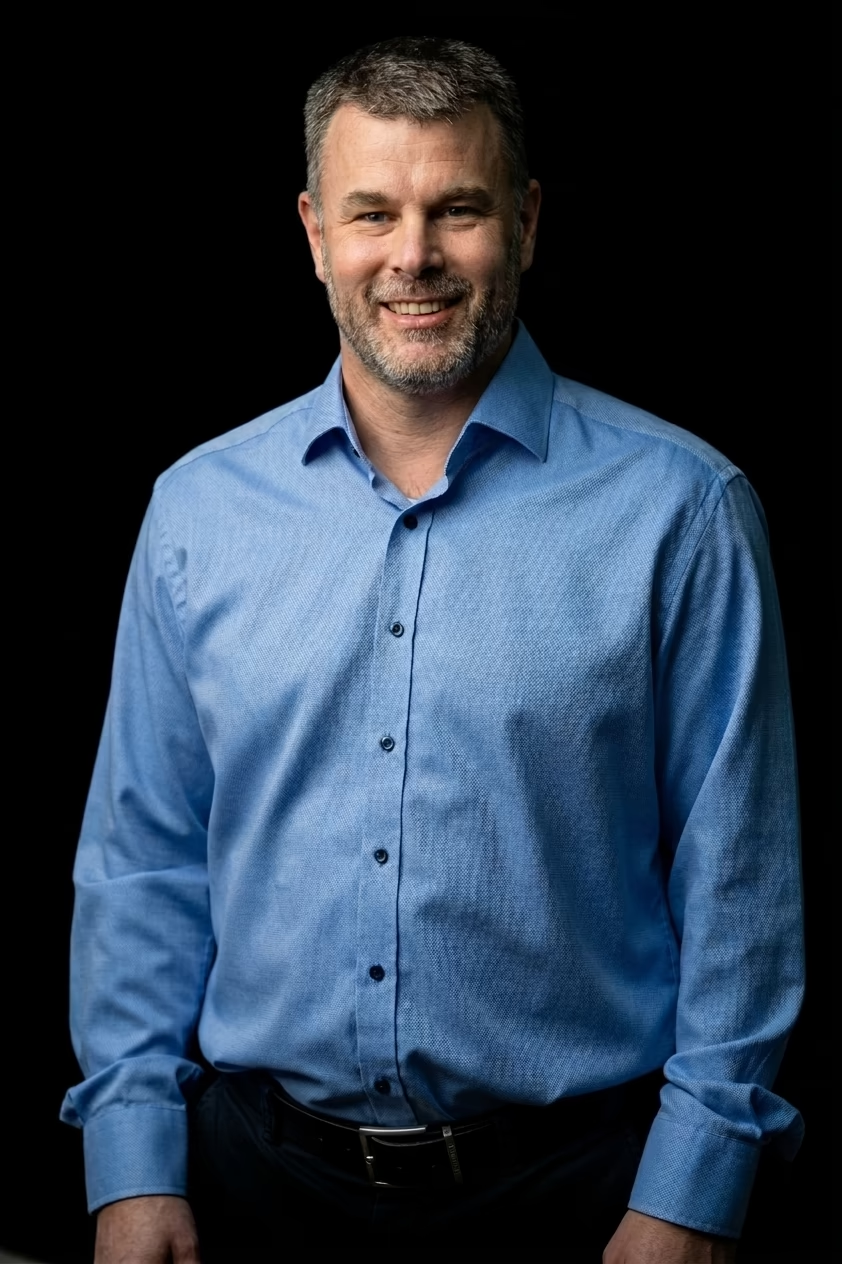
Severin Wälchli
Our Board of Directors
Nagra’s Board of Directors consists of representatives of the members of the Cooperative and up to three additional members. The Board of Directors and its president are elected at Nagra’s annual general meeting.
- Lino Guzzella, President of the Board of Directors
- Roland Schmidiger, Axpo Power AG, Vice President
- Roland Grüter, Kernkraftwerk Leibstadt AG
- Philipp Hänggi, BKW Energie AG
- Thomas Kohler, Alpiq AG
- Matthias Neuenschwander, Consulting Engineers SA
- Alexander Puhrer, Kernkraftwerk Gösgen-Däniken AG
- Thierry Strässle, Swiss Confederation (PSI)
- Bruno Ulrich, Zwilag AG